
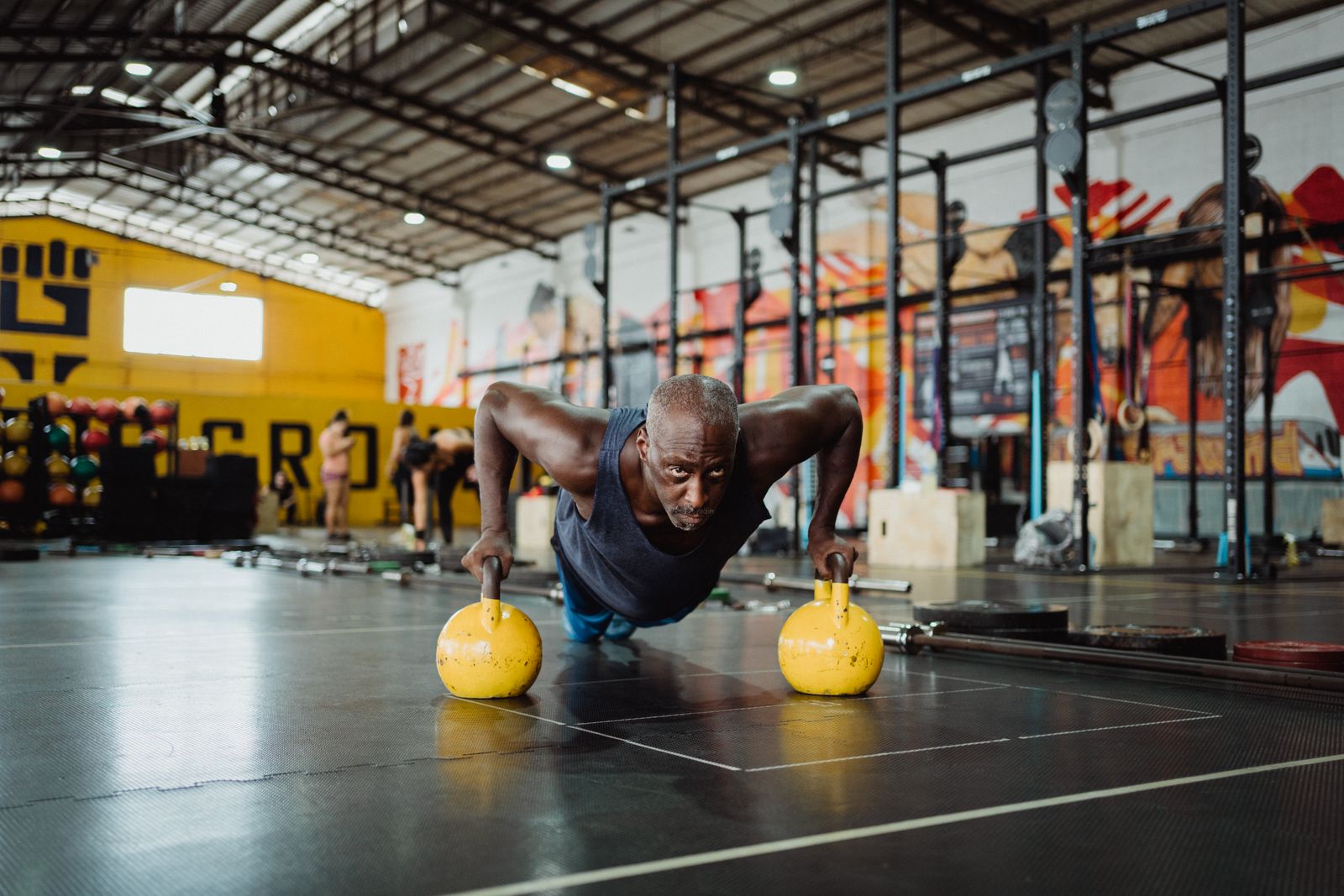
From weekend footballers and cricketers to gym-goers, sports injuries respond best to early assessment and a progressive plan — not simply resting until it “feels okay.” Home physiotherapy gets you moving safely and back to the activity you love with a lower chance of re-injury.
Common sports injuries
- Ankle sprains and knee injuries, including ligament and cartilage strains
- Hamstring, calf, and groin muscle strains
- Tendon overload such as Achilles, patellar (knee), and rotator cuff (shoulder) problems
- Post-injury stiffness, weakness, and loss of confidence
Why early rehab matters
Injured tissue heals best when it is loaded gradually and correctly. Too much rest leaves muscles weak and joints stiff; too much too soon risks re-injury. Good rehabilitation lives between those extremes, which is why an individual assessment beats generic advice.
How physiotherapy helps
- Accurate diagnosis and grading of the injury, so you know what you are dealing with
- Hands-on treatment to reduce pain and swelling and restore movement
- Progressive strength and loading to rebuild the tissue’s capacity
- Sport-specific drills for a safe, confident return to play
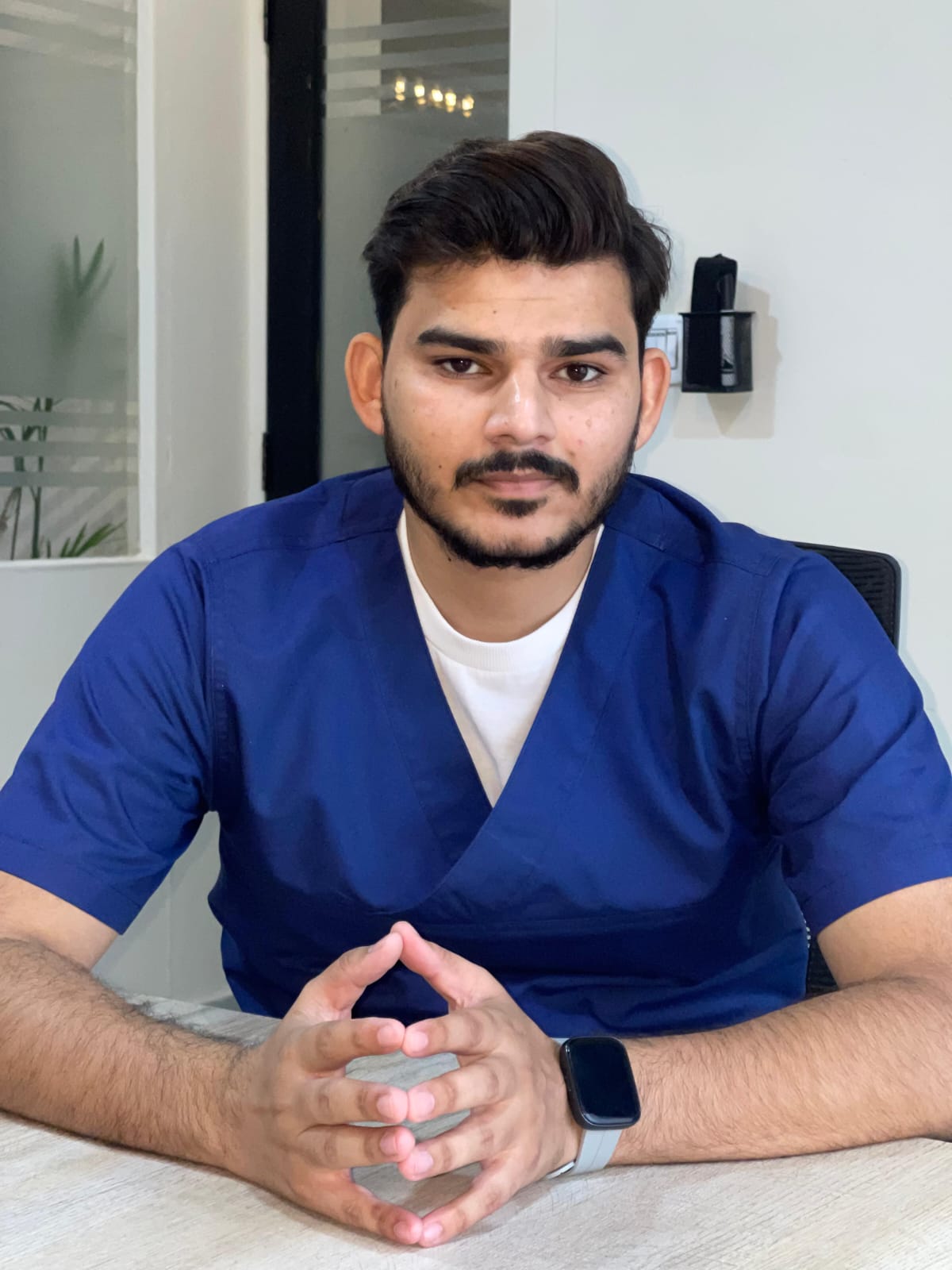
The NHS advises early, guided rehabilitation and a gradual return to activity for most sports injuries. Dr. Faizan’s experience with athletes and active patients means your plan is built around your sport and goals.
What to expect from a home visit
Dr. Faizan assesses the injured area and your movement, treats it, and builds a progressive programme you can do at home in Lahore, using the space and equipment you have. As you improve, the plan advances towards sport-specific movements so your return is genuine, not just pain-free.