

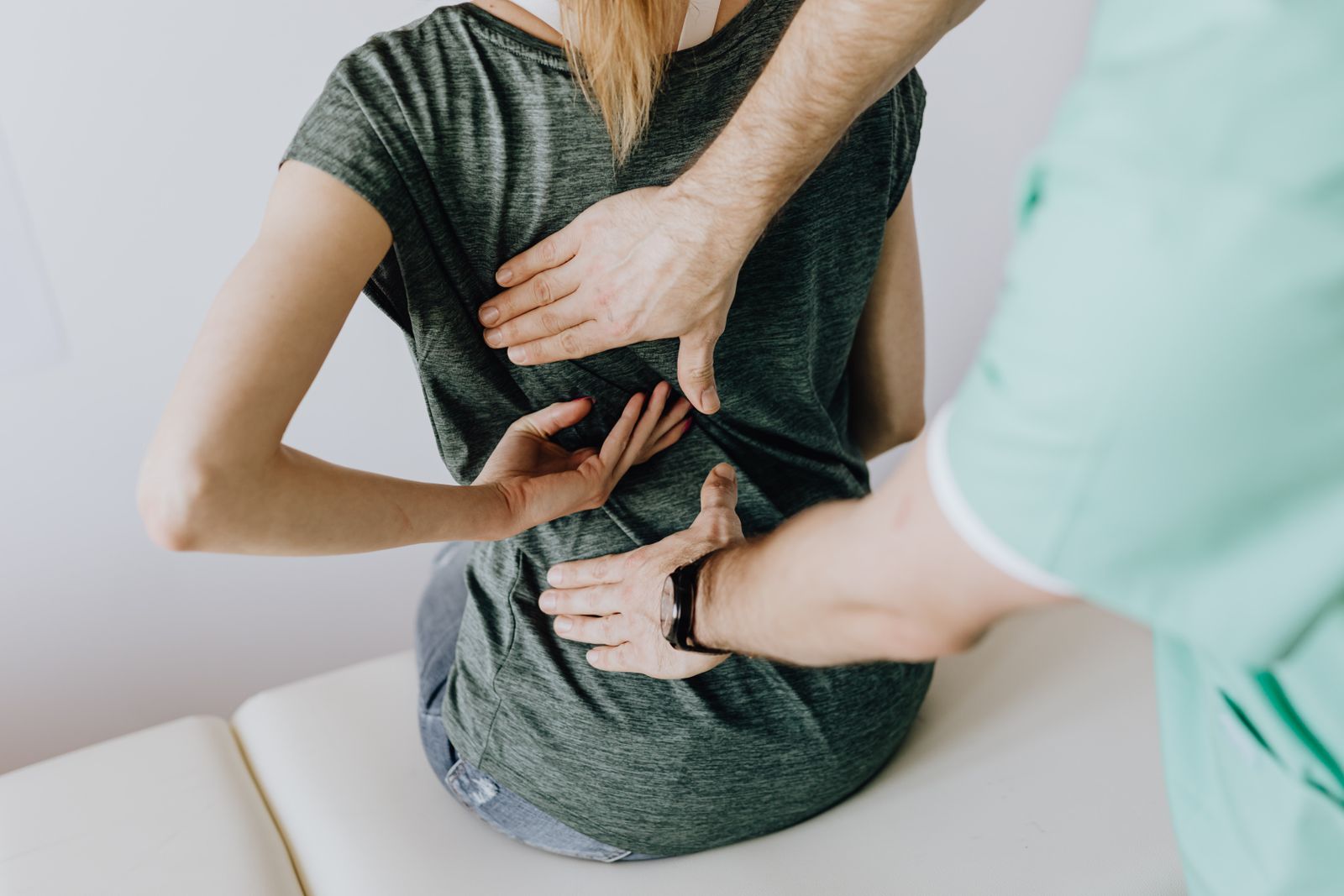
Low back pain is one of the most common reasons people look for a physiotherapist, and the reassuring news is that the large majority of cases are not caused by serious damage and improve well with the right care. This page explains what causes it, how physiotherapy helps, and what to expect from a home visit in Lahore.
What causes low back pain
Most low back pain is described as “non-specific,” meaning it comes from the muscles, joints, ligaments, and discs of the spine rather than a single serious problem. Common contributors include:
- Muscle or ligament strain from lifting, twisting, or a sudden movement
- Long hours of sitting and poor desk posture
- Weak core and hip muscles that leave the spine under-supported
- Disc-related irritation, which can also refer pain into the leg (see sciatica and disc herniation)
- Stress and poor sleep, which lower your pain threshold
Symptoms
Low back pain can feel like a dull ache, stiffness first thing in the morning, or a sharp catch with certain movements. It may stay local to the back or spread into the buttock and thigh. Pain that travels below the knee, or comes with pins and needles, points more towards nerve involvement and is worth assessing carefully.
How physiotherapy helps
Physiotherapy for low back pain is evidence-based and active. A typical plan includes:
- Assessment to identify which movements and structures drive your pain, and to rule out red flags
- Hands-on manual therapy to ease pain and restore movement
- A graded exercise programme to rebuild strength, mobility, and confidence
- Posture and activity coaching so the pain is less likely to return
- Education — understanding what is happening is one of the most powerful parts of recovery
International guidelines such as the UK’s NICE recommendations and the NHS advise staying active and using exercise-based care as the first-line approach for most low back pain, rather than long rest or early scans.
What to expect from a home visit
On the first visit, Dr. Faizan takes a full history and examines your movement, strength, and the specific structures involved. You then begin treatment the same day, and leave with a clear, simple home programme. Because sessions happen in your own home in Lahore, the advice is tailored to your real environment — your bed, your chair, your daily routine.
Simple self-care while you wait
- Keep moving gently; avoid long periods in one position
- Change posture often if you sit for work
- Use short walks to “reset” a stiff back
- Don’t panic — hurt does not always mean harm
If your pain is severe, spreading down a leg, or not improving after a couple of weeks, a proper assessment will pinpoint the cause and give you a plan built around you.