

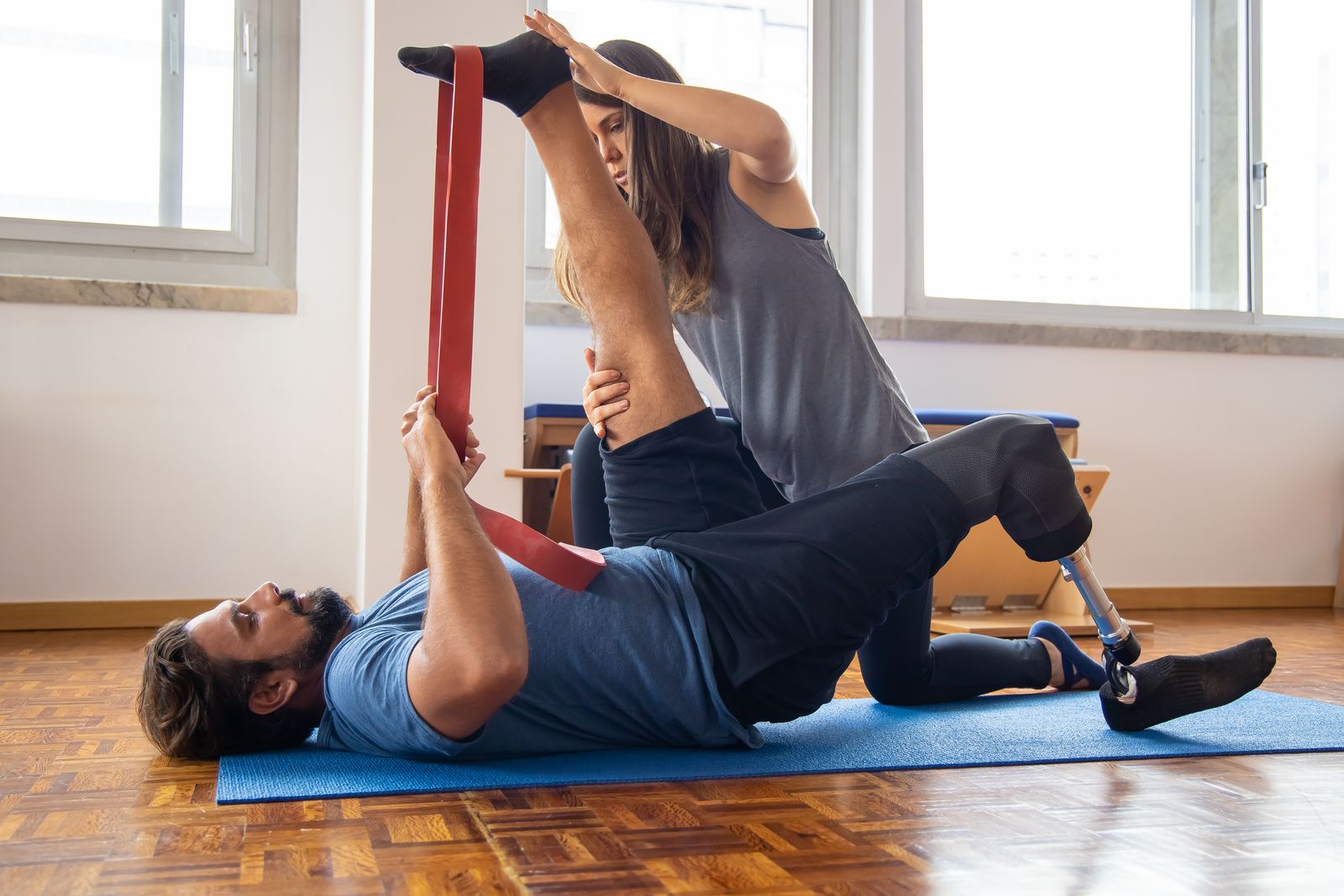
Sciatica describes pain that travels along the path of the sciatic nerve, from the lower back through the buttock and down the back of the leg. It is a symptom rather than a diagnosis, and it usually settles well with physiotherapy.
What causes sciatica
Sciatica happens when the sciatic nerve, or one of the nerve roots that forms it, becomes irritated or compressed. Common causes include:
- A herniated (slipped) disc pressing on a nerve root
- Tight or overactive muscles in the buttock, such as the piriformis
- Age-related narrowing of the space around the nerve
- Sustained postures and repeated bending or lifting
Typical symptoms
- Sharp, burning, or shooting pain down one leg
- Pins and needles or numbness in the leg or foot
- Pain that is often worse with sitting, bending, or coughing
- An ache in the buttock that spreads below the knee
Pain that reaches below the knee is more likely to be true nerve pain than simple low back pain, and benefits from a careful assessment.
How physiotherapy helps
Home physiotherapy for sciatica focuses on calming the nerve and restoring normal movement:
- Targeted techniques to reduce the irritation and pressure on the nerve
- Nerve-gliding and mobility work to help the nerve move freely again
- Strengthening of the core, hips, and back to offload the affected area
- Guidance on the positions and movements that ease symptoms day to day
The NHS notes that most sciatica improves within a few weeks with movement and self-care, and that surgery is rarely the first step. A structured physiotherapy programme is the evidence-based starting point.
What to expect from a home visit
Dr. Faizan assesses exactly which movements provoke and relieve your leg pain, then treats you and sets a “direction-specific” home programme designed to centralise the symptoms — moving pain out of the leg and back towards the spine, which is a good sign of recovery. Being treated at home in Lahore means no painful car journeys while symptoms are at their worst.
When to seek urgent help
Get prompt medical attention if you develop numbness around the groin or inner thighs, difficulty controlling your bladder or bowels, or leg weakness that is rapidly worsening. These are rare but need immediate assessment.