Neurological rehabilitation helps people rebuild movement, balance, and daily independence after a stroke, and with other conditions affecting the nervous system. Delivering it at home removes the barrier of travel, which matters most when mobility is limited.
Who neuro rehab is for
- Stroke recovery, including regaining arm and leg function, balance, and walking
- Balance and coordination difficulties
- Mobility loss that affects daily activities and independence
- Selected paediatric neurological conditions (see paediatric physiotherapy)
How physiotherapy helps
Neurological physiotherapy is built on repetition, task-specific practice, and gradual progression:
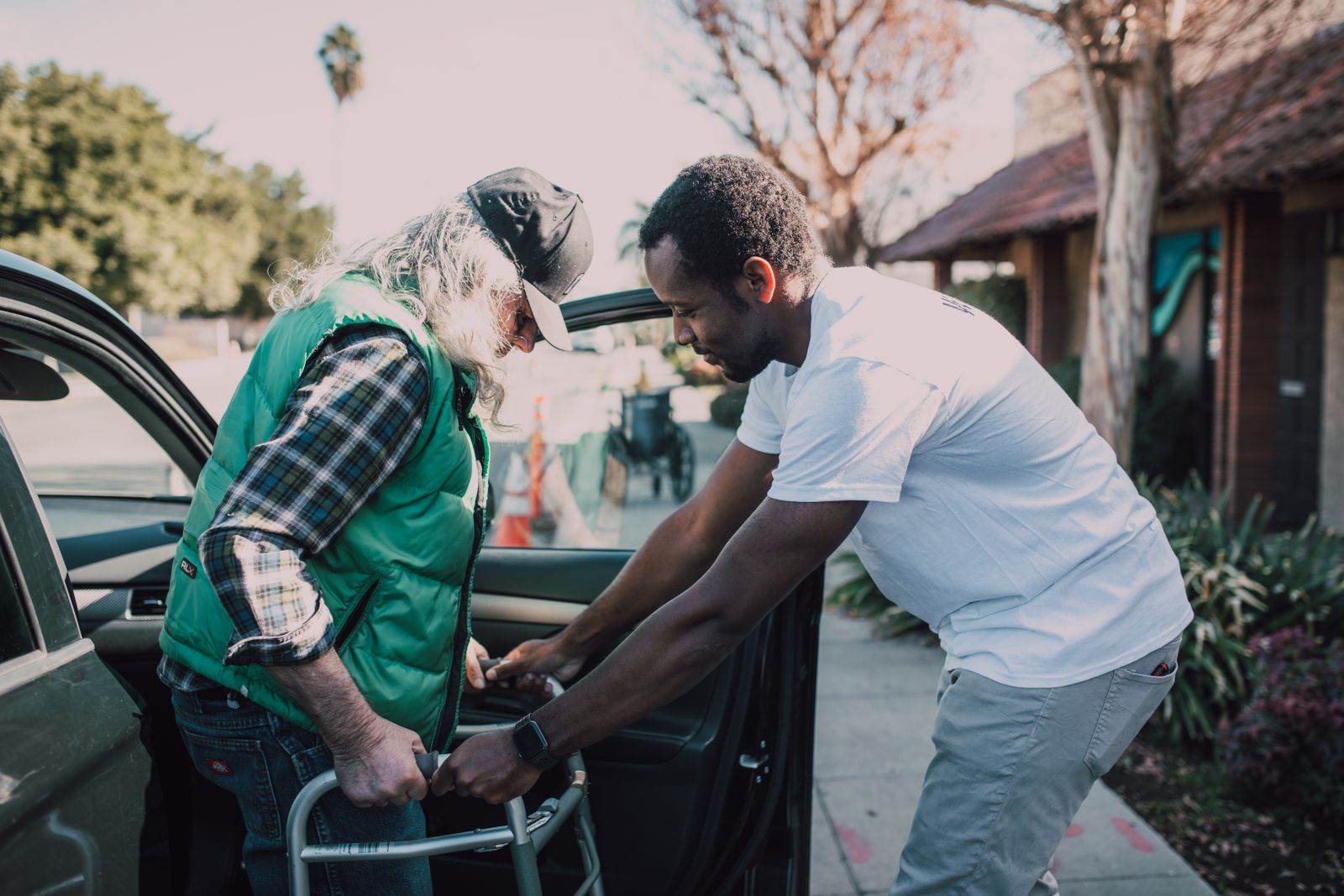
- Task-specific practice to retrain real movements — standing, walking, reaching, transfers
- Balance and gait training in the person’s own home, where it matters most
- Strengthening and stretching to prevent complications such as stiffness and contracture
- Family guidance so progress continues safely between sessions
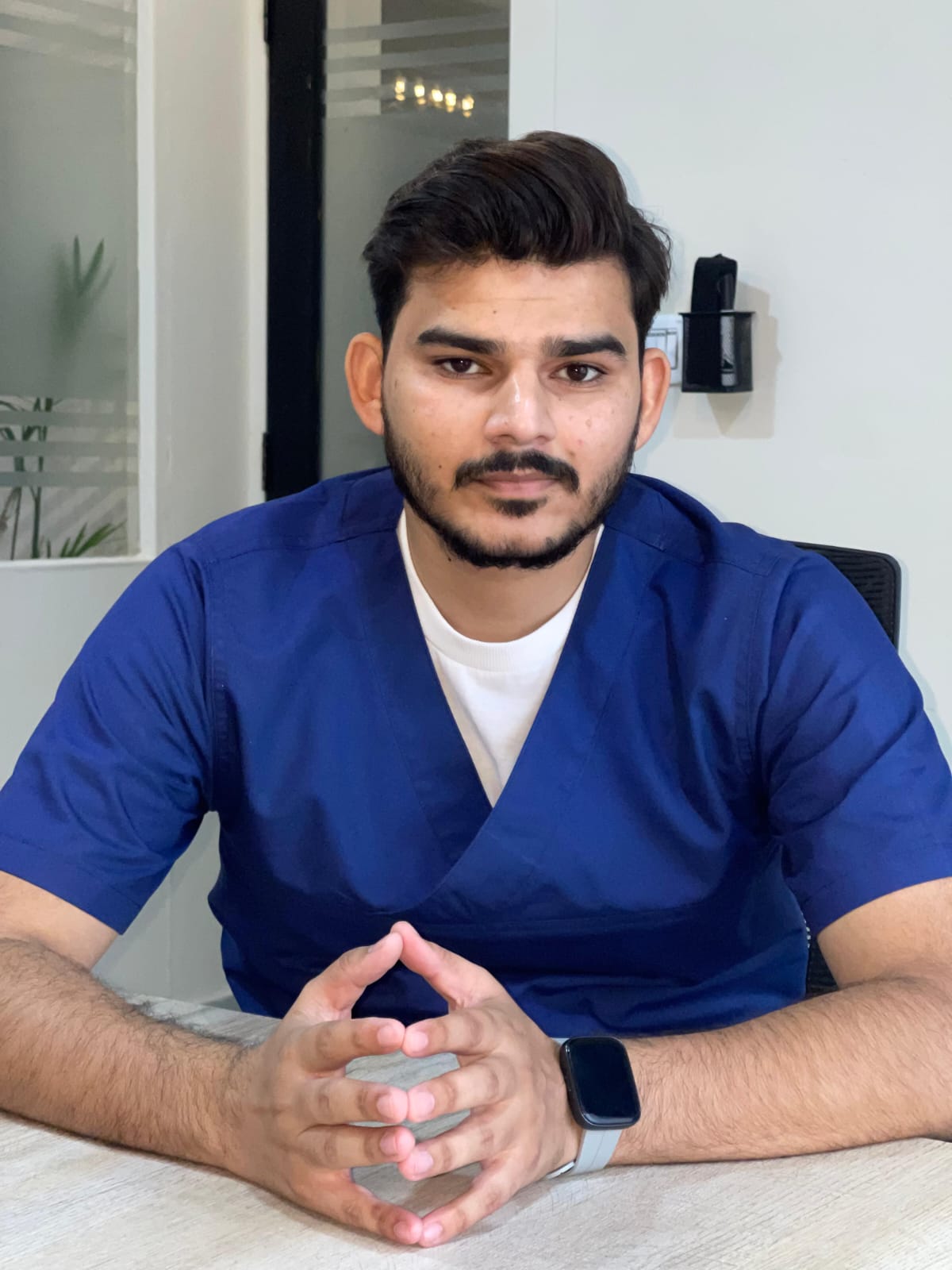
The NHS highlights that rehabilitation is central to stroke recovery and that consistent, goal-based therapy supports the best outcomes. Dr. Faizan has hands-on experience in neurological rehabilitation across hospital and community settings.
What to expect from a home visit
The first visit sets clear, meaningful goals — whether that is walking to the bathroom independently, climbing stairs, or improving hand function. Dr. Faizan then works through a structured programme and coaches family members on how to assist safely. Home visits across Lahore make consistent, regular therapy realistic even when leaving the house is difficult.
A note on patience and progress
Neurological recovery is often gradual and non-linear. A good programme celebrates small, functional wins that add up to real independence, and adapts as the person improves.