
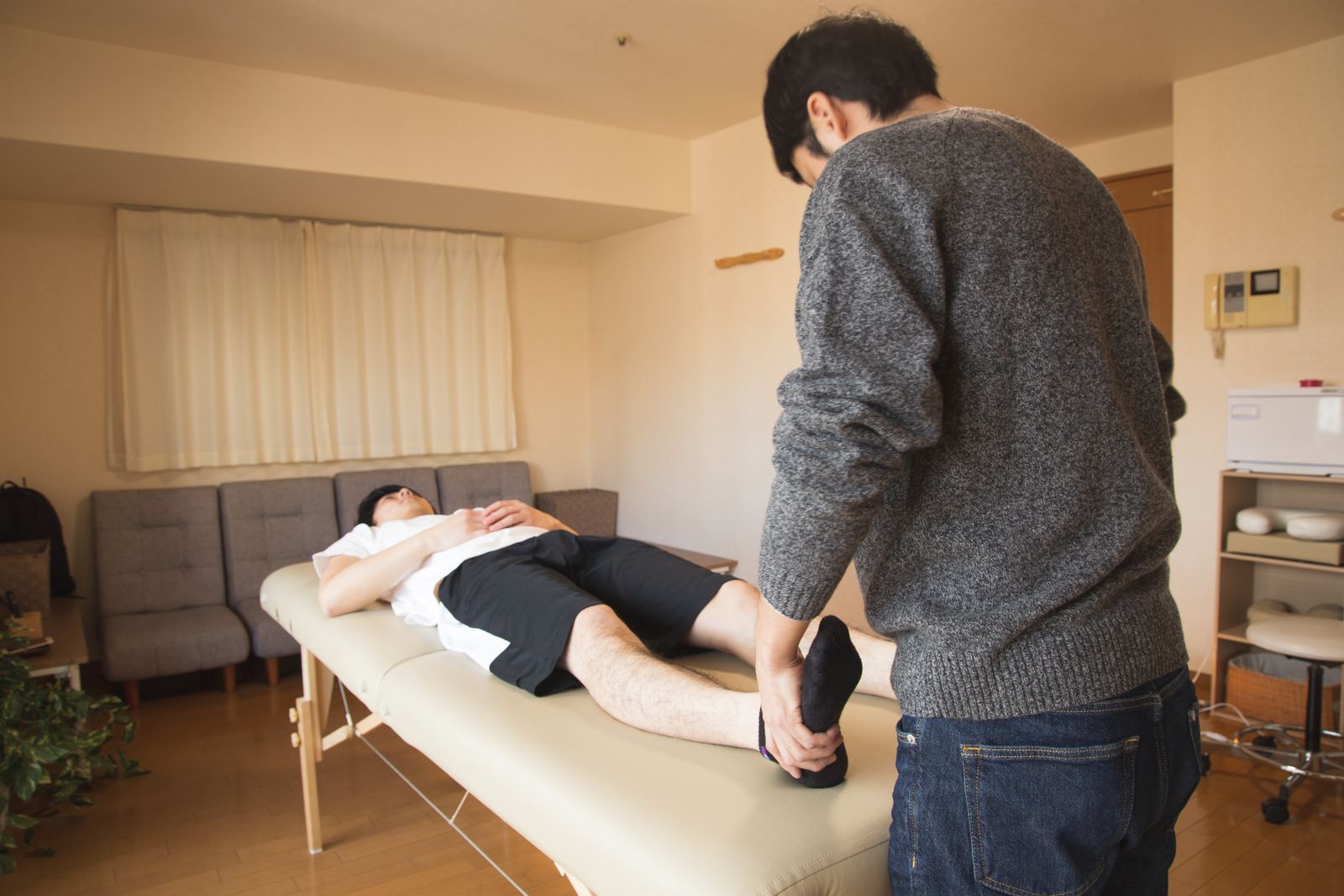

Short answer: The best knee pain exercises strengthen the muscles that support the joint — quad sets, straight-leg raises, sit-to-stands, step-ups, and gentle hamstring and calf work. Strengthening, not rest, is what changes most knee pain, including arthritis and kneecap pain. Build up gradually and stay within comfort.
Most knee pain — from arthritis, kneecap (patellofemoral) pain, or everyday overload — responds far better to the right exercise than to rest. Strong muscles around the knee protect and offload the joint, which reduces pain and keeps you moving. Here are the exercises physiotherapists most often start with, all doable at home.
Why strengthening beats rest for the knee
Resting a sore knee lets the muscles weaken and the joint stiffen, which usually makes things worse over time. The evidence is clear that progressive strengthening is the most effective treatment for most knee pain, including knee osteoarthritis. The aim is to load the knee at a level it can tolerate today, then build up.
Knee-strengthening exercises
Do these most days, building up gradually. A little muscle fatigue is fine; sharp joint pain is a signal to ease off.
1. Quad sets
Sit with your leg straight. Tighten the thigh muscle to push the back of your knee down towards the floor, hold 5 seconds, relax. 10 repetitions. A gentle starting point that wakes up the quadriceps.
2. Straight-leg raise
Lie on your back, one knee bent, the other leg straight. Tighten the thigh and lift the straight leg to the height of the bent knee, lower slowly. 10 repetitions. Strengthens the quad without bending the knee.
3. Sit-to-stand
From a sturdy chair, stand up and sit down slowly and with control, using your hands as little as possible. 10 repetitions. Builds the everyday strength you use on stairs and getting up.
4. Step-ups
Step up onto a low, stable step leading with the affected leg, then step down with control. Start low and build up. Trains the knee through a functional range.
5. Hamstring and calf work
Gentle standing hamstring curls and calf raises (holding a counter for balance) round out the muscles that support the knee.
Getting the load right
The most common mistake is doing too much too soon and flaring the knee, or doing too little to make a change. A good rule: exercise should not increase your pain by more than a little, and any soreness should settle within 24 hours. If it does not, ease the level.
What to avoid
- Deep, painful squatting or kneeling early on
- High-impact activity (running, jumping) before the knee is strong enough
- Pushing through sharp, swelling-provoking pain
When to get assessed
See a physiotherapist if your knee pain lasts more than a couple of weeks, keeps returning, swells, locks, or gives way. Seek prompt medical care if the knee is hot, red and very swollen with fever, or if you cannot put weight on it after an injury.
A home physiotherapy visit can pinpoint what is driving your knee pain and give you the right exercises at the right level. For the full picture, see our guide to knee pain treatment in Lahore.
Written and reviewed by Dr. Faizan Ahmad, DPT · MS-MSKPT — home physiotherapy across Lahore. General information, not a substitute for a personal assessment.